
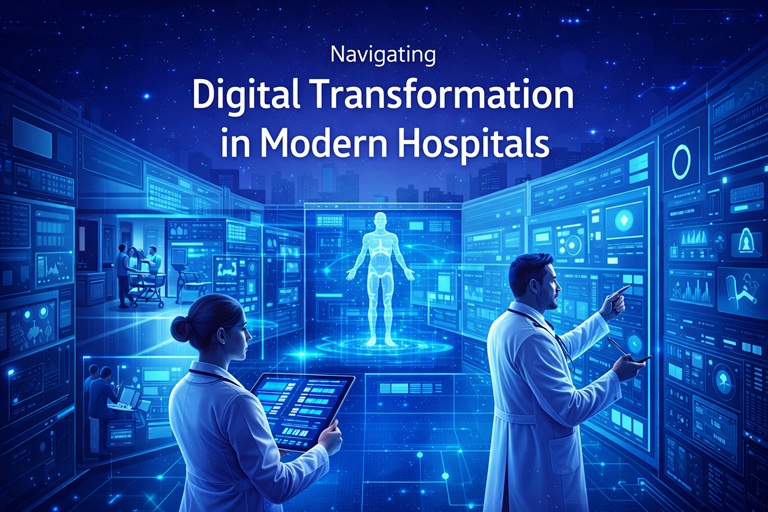
The healthcare industry is in a constant state of flux, driven by technological advancements, evolving patient expectations, and the relentless pursuit of operational efficiency. In this dynamic environment, digital transformation isn't just a buzzword; it's the lifeline for modern hospitals striving to deliver superior care and maintain financial viability. For hospital administrators, clinic managers, and healthcare IT professionals, understanding and strategically implementing digital solutions is paramount.
At MedCueAI, we understand the complexities of this journey. Our premium Hospital Management Systems (HMS) and Clinic Management Systems (CMS) are designed to be at the forefront of this transformation, empowering healthcare organizations to thrive in the digital age.
Why Digital Transformation is Non-Negotiable in Modern Healthcare
The days of paper charts and siloed systems are rapidly fading. Today's healthcare landscape demands connectivity, speed, and intelligence. Here's why embracing digital transformation is crucial:
- Enhanced Patient Experience: Patients expect convenience, transparency, and personalized care, mirroring their experiences in other industries. Digital tools facilitate easier scheduling, faster access to information, and more engaging interactions.
- Operational Efficiency & Cost Savings: Automating routine tasks, optimizing resource allocation, and reducing administrative burden directly translates into significant cost reductions and improved workflow efficiency.
- Data-Driven Decision Making: Digital systems generate vast amounts of data. When properly analyzed, this data provides invaluable insights into patient outcomes, operational bottlenecks, and financial performance, enabling informed strategic decisions.
- Improved Clinical Outcomes: Access to comprehensive patient histories, real-time alerts, and advanced diagnostic tools helps clinicians make more accurate decisions, leading to better treatment plans and improved patient safety.
- Regulatory Compliance & Security: Robust digital systems are essential for meeting stringent regulatory requirements (e.g., HIPAA) and protecting sensitive patient information from cyber threats.
- Competitive Advantage: Hospitals that lag in digital adoption risk falling behind competitors who leverage technology to offer superior services and attract both patients and top talent.
Key Pillars of Digital Transformation in Hospitals
A successful digital transformation strategy typically focuses on several interconnected technological areas:
1. Advanced Hospital Management Systems (HMS) & Clinic Management Systems (CMS)
At the core of any digital hospital is a powerful, integrated management system. MedCueAI's HMS and CMS platforms are designed to unify diverse hospital functions:
- Patient Management: From registration and appointment scheduling to discharge and follow-up, our systems streamline the entire patient journey.
- Electronic Health Records (EHR) Integration: A centralized, accessible EHR system is fundamental. Our solutions ensure seamless data flow, providing a complete patient history at the fingertips of authorized personnel.
- Billing & Financial Management: Automate billing, claims processing, and revenue cycle management to optimize financial health.
- Inventory & Pharmacy Management: Real-time tracking of medications, supplies, and equipment reduces waste and ensures availability.
- Resource Scheduling: Efficiently manage staff, operating rooms, and equipment to maximize utilization and minimize wait times.
- Reporting & Analytics: Comprehensive dashboards and custom reports offer deep insights into performance metrics, helping identify areas for improvement.
Implementing a robust HMS/CMS like MedCueAI’s isn't just about digitizing processes; it's about creating an intelligent ecosystem where every department is connected, informed, and optimized.
2. Telemedicine and Remote Patient Monitoring (RPM)
The pandemic accelerated the adoption of virtual care, proving its immense value. Telemedicine platforms expand access to care, reduce no-shows, and offer convenience for both patients and providers. RPM devices allow continuous monitoring of vital signs and health data from home, enabling early intervention and reducing hospital readmissions.
3. Artificial Intelligence (AI) and Machine Learning (ML)
AI and ML are revolutionizing healthcare by:
- Diagnostic Support: Assisting radiologists in identifying anomalies in scans or pathologists in analyzing tissue samples.
- Predictive Analytics: Forecasting patient deterioration, identifying at-risk populations, and optimizing hospital bed management.
- Personalized Treatment Plans: Tailoring therapies based on individual patient data and genomic information.
- Automated Administrative Tasks: AI-powered chatbots for patient inquiries or automated coding for billing.
4. Robust Cybersecurity and Data Privacy
As hospitals digitize, they become prime targets for cyberattacks. Protecting sensitive patient data is paramount. A comprehensive cybersecurity strategy, including advanced encryption, access controls, regular audits, and staff training, is non-negotiable for maintaining trust and regulatory compliance. MedCueAI builds security into the very fabric of our HMS/CMS solutions.
Overcoming the Challenges of Digital Transformation
While the benefits are clear, the path to digital transformation isn't without hurdles:
- Initial Investment & ROI: The upfront cost can be significant. A clear business case and phased implementation can demonstrate ROI over time.
- Staff Adoption & Training: Resistance to change is natural. Comprehensive training, emphasizing the benefits for staff, and involving them in the process can foster adoption.
- Legacy System Integration: Many hospitals grapple with outdated systems. Choosing flexible, API-driven solutions like MedCueAI's that can integrate with existing infrastructure is key.
- Data Management & Interoperability: Ensuring data flows seamlessly between different systems and external partners requires careful planning and robust integration capabilities.
Strategies for Successful Digital Transformation
To navigate these challenges and realize the full potential of digital transformation, consider these strategies:
- Develop a Clear Vision & Roadmap: Define what success looks like, prioritize initiatives, and create a multi-year plan with measurable milestones.
- Secure Leadership Buy-in: Digital transformation is a top-down initiative. Strong executive sponsorship is vital for resource allocation and overcoming organizational inertia.
- Invest in Your People: Provide ongoing training, continuous support, and highlight how technology empowers staff to perform better and enjoy their work more.
- Prioritize Cybersecurity: Make security a foundational element, not an afterthought. Regularly assess risks and update defenses.
- Partner with Expert Providers: Don't go it alone. Collaborate with experienced healthcare technology partners like MedCueAI. Our expertise in HMS/CMS implementation, data migration, and ongoing support ensures a smoother transition and maximizes your investment.
- Start Small, Scale Big: Begin with pilot projects in specific departments or clinics to demonstrate success and build momentum before a broader rollout.
The Future is Digital, and It's Here
The future of healthcare is undeniably digital, interconnected, and intelligent. Hospitals that embrace this evolution will not only survive but thrive, delivering higher quality care, fostering greater patient satisfaction, and achieving new levels of operational excellence.
At MedCueAI, we are committed to being your trusted partner on this transformative journey. Our advanced Hospital Management Systems and Clinic Management Systems are engineered to empower your organization to navigate the complexities of digital healthcare with confidence and achieve sustainable growth.
Ready to transform your hospital's operations and patient care? Contact MedCueAI today to learn more about our premium HMS and CMS solutions.